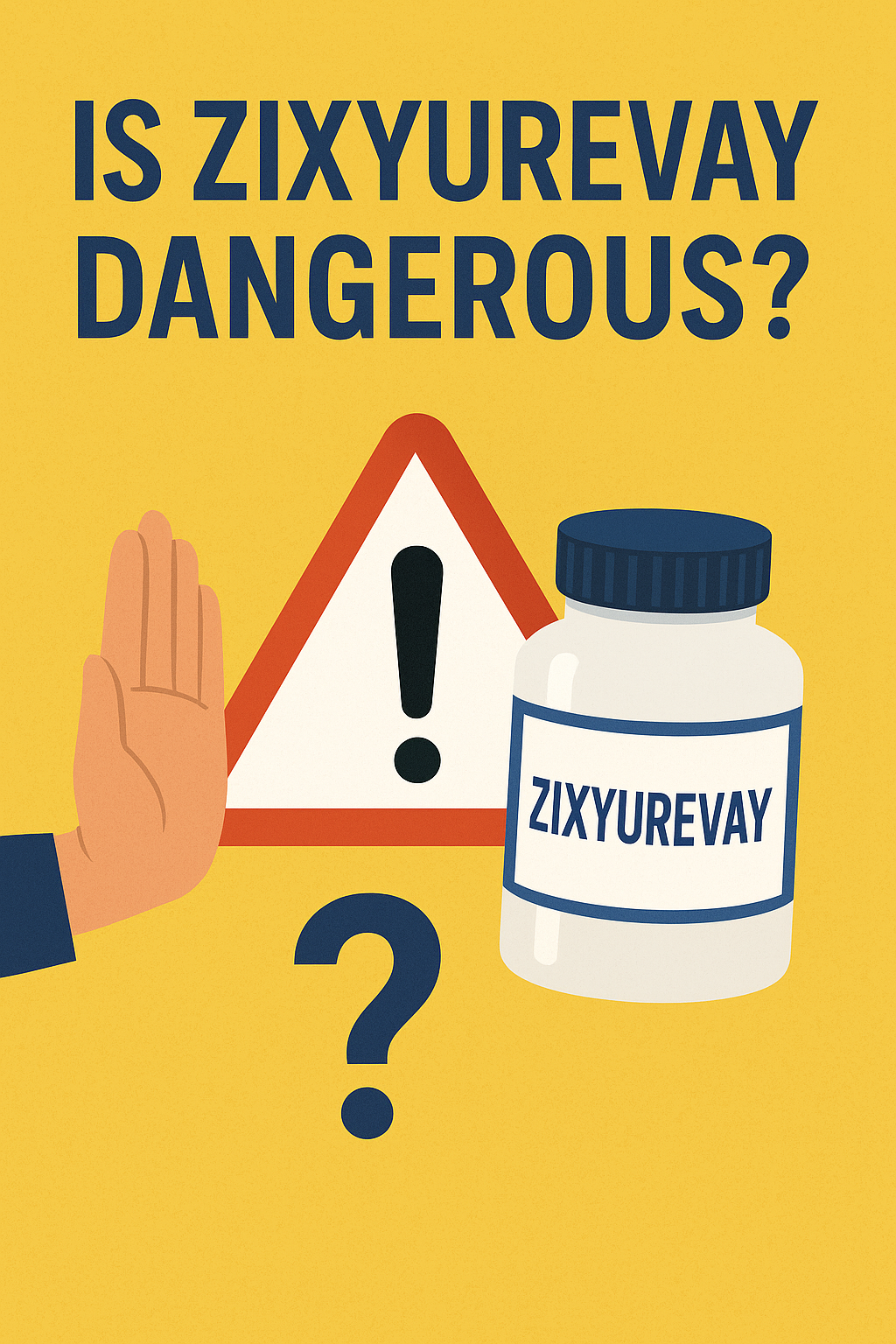

The question “is Zixyurevay dangerous?” has surfaced across multiple online platforms, drawing curiosity, confusion, and concern. Yet, when people try to find definitive answers, they discover that trustworthy information about Zixyurevay is remarkably scarce. This lack of clarity has led to speculation, mixed reviews, and a growing sense of uncertainty among consumers. In an era where digital misinformation can spread faster than facts, the absence of verified details is itself a red flag. Understanding whether Zixyurevay poses real danger requires a closer look at what is known, what remains unclear, and why approaching such unknowns with caution is essential.
What Exactly Is Zixyurevay?
Before addressing whether Zixyurevay is dangerous, it’s necessary to establish what it actually is — and that is precisely where the confusion begins. No major regulatory body, scientific publication, or established business registry provides clear details about a product or service under this name. Some online sources suggest it could be a wellness supplement, while others imply it might be a software application or a digital service. In all these interpretations, the defining characteristic of Zixyurevay is its lack of transparency.
If Zixyurevay is a consumer product—say, a supplement or skin treatment—its unknown ingredient list and absence of manufacturer details present an immediate health concern. On the other hand, if it refers to a digital tool, an app, or a software system, users face a different kind of risk: privacy violations, data theft, or hidden malware. Either way, not knowing the origin or composition of Zixyurevay means users are effectively experimenting with the unknown, and in such circumstances, prudence is not paranoia but common sense.
Why People Ask “Is Zixyurevay Dangerous?”
When a term like “Zixyurevay” suddenly gains visibility in search results or social media discussions, it often reflects a mixture of curiosity and alarm. People may have encountered advertisements that make bold claims or websites that mention negative experiences without context. In some cases, online forums and comment sections amplify rumors until they take on a life of their own.
The rise of search-driven anxiety—where users type alarming phrases such as “is Zixyurevay dangerous” to reassure themselves—feeds algorithms that further promote the keyword. Unfortunately, this feedback loop magnifies fear without necessarily providing truth. Yet, the very existence of such a search trend implies something important: that users are encountering Zixyurevay in ways that trigger doubt or distrust. Whether through unsolicited emails, pop-up ads, or unverified reviews, the public instinctively senses that something about it is off—and that instinct deserves to be taken seriously.
Potential Dangers of Zixyurevay
Because Zixyurevay’s identity is so opaque, it’s useful to explore the possible categories of danger it might represent. These risks fall into several broad types—physical, digital, financial, and psychological—and while each is speculative, all are relevant when dealing with unverified products or services.
1. Physical or Health Risks
If Zixyurevay is marketed as a supplement, cosmetic, or health aid, users could face unknown physical reactions. Products that lack clear ingredient lists may contain untested or harmful substances, interact poorly with medications, or cause allergic responses. Regulatory agencies such as the U.S. FDA and the European EMA routinely warn consumers against unlicensed supplements sold online under obscure brand names. Without laboratory analysis or safety data, assuming that Zixyurevay is harmless would be reckless.
2. Cybersecurity and Data Risks
If Zixyurevay turns out to be a digital tool, app, or online service, the danger could stem from privacy invasion. Many malicious apps disguise themselves as helpful utilities while quietly collecting user data or installing unwanted code. Reports of slow system performance, strange pop-ups, or hidden subscriptions are common in such cases. When no developer information or contact details are provided, accountability becomes impossible—leaving users vulnerable to identity theft, financial fraud, or compromised personal files.
3. Financial Risks and Scams
Some websites appear to offer Zixyurevay as part of subscription-based offers or “limited-time” deals. These can involve hidden fees, automatic renewals, or counterfeit payment gateways. Once payment details are entered, refunds become nearly impossible. Consumers must remember that any transaction lacking a legitimate company address, transparent refund policy, or secure HTTPS connection should be treated as high-risk.
4. Psychological and Emotional Impacts
Less tangible—but still significant—are the mental effects of dealing with ambiguous or fraudulent products. Users who feel deceived or unsafe may experience stress, frustration, or anxiety, especially if they fear they have shared sensitive data or harmed their health. These outcomes highlight a broader truth: uncertainty itself can be dangerous, undermining people’s sense of security and control.
Why the Lack of Transparency Is a Danger in Itself
Transparency is the foundation of trust. When a product like Zixyurevay offers no verifiable information—no manufacturer address, no regulatory registration, no third-party testing—it asks consumers to accept risk blindly. In an age where even reputable companies undergo strict safety testing and privacy audits, the complete absence of transparency should not be dismissed as a minor issue.
The “unknown factor” is a danger because it prevents informed consent. Consumers cannot evaluate risks they cannot see. Whether the hazard involves chemical toxicity, malware infection, or financial exploitation, the principle is the same: ignorance increases vulnerability. Therefore, when asking “is Zixyurevay dangerous?” the most responsible answer is “we don’t have proof that it’s safe.” That alone is reason enough for caution.
How to Protect Yourself When Encountering Zixyurevay
Until verified information emerges, the safest approach is proactive skepticism. Here are several protective measures anyone can take:
- Verify the Source: Check whether the website or seller is registered, includes an official contact address, and uses secure payment systems.
- Search for Independent Reviews: Authentic experiences usually appear on reputable review platforms, not anonymous comment threads.
- Avoid Sharing Personal Data: Never provide medical, financial, or identity information to a brand with no traceable legitimacy.
- Use Antivirus and Malware Scanners: If Zixyurevay is an app or download, scan your device before and after installation.
- Consult Professionals: If Zixyurevay claims health benefits, talk to a doctor or pharmacist before trying it.
- Report Suspicious Activity: Notify consumer-protection agencies or cybersecurity organizations if you suspect fraud or data misuse.
These simple steps can prevent costly mistakes and help others avoid the same pitfalls.
The Broader Lesson: Navigating the Information Vacuum
The discussion around “is Zixyurevay dangerous” reveals a deeper problem with modern digital culture. Misinformation thrives where transparency is absent, and public curiosity fills the gaps left by poor communication. Companies—or entities—behind vague products exploit this uncertainty, counting on people’s desire for novelty or quick fixes.
For consumers, the best defense is media literacy: learning to question, verify, and think critically before acting. When a name appears suddenly online, promising transformative results with no verifiable track record, skepticism is a sign of intelligence, not cynicism. In that sense, the Zixyurevay mystery serves as a cautionary tale for anyone navigating today’s crowded digital marketplace.
Conclusion: Better Safe Than Sorry
So, is Zixyurevay dangerous? The honest answer is that we simply don’t know—but the absence of evidence, transparency, and accountability makes it potentially dangerous until proven otherwise. Whether it is a product, a program, or a marketing ploy, the uncertainty surrounding it is risk enough.
Consumers should approach Zixyurevay with the same caution they would apply to any unfamiliar name on the internet: verify before trusting, question before buying, and always prioritize personal safety over curiosity. Until credible information emerges from reliable authorities, the wisest conclusion is clear—treat Zixyurevay as unsafe, avoid engagement, and stay alert for updates from verifiable sources.